Food waste and renewable energy explained
Food waste is a growing environmental problem in the UK. A 2025 report from the Waste and Resources Action Programme (WRAP) estimated that the UK wasted 10.2 million tonnes of food between 2021 and 20221. While some of this waste is unavoidable, up to half could be reused or recycled.
When food waste is sent to landfill, it releases harmful greenhouse gases as it breaks down, contributing to climate change. At Willshee’s Waste & Recycling, we help businesses avoid this by using anaerobic digestion – a sustainable food waste disposal method that turns waste into renewable energy and fertiliser.
What is Anaerobic Digestion?
Anaerobic digestion (AD) is a natural process that breaks down food waste without oxygen. During this process, microorganisms feed on organic waste and produce two valuable by-products:
- Biogas – a renewable energy source used to generate electricity and heat
- Digestate – a nutrient-rich fertiliser used in farming
By converting food waste into energy and fertiliser, anaerobic digestion helps reduce landfill waste while producing clean, green energy.
How does Anaerobic Digestion work?
Once Willshee’s collects food waste from homes or businesses, it is transported to our local specialist anaerobic digestion facility. There, the waste goes through a structured process designed to maximise recycling and energy production.
First, the food waste is collected and delivered to the AD plant. At the facility, the waste undergoes pre-treatment, where packaging and any non-food materials are removed to prepare it for processing.
The prepared food waste is then placed in sealed digestion tanks. Inside these tanks, naturally occurring microorganisms break down the waste in carefully controlled conditions, speeding up the natural decomposition process.
As the waste decomposes, it produces methane-rich biogas. This gas is captured and used to generate renewable electricity, which is supplied to the national grid.
Finally, the remaining material, known as digestate, is used by farmers as an environmentally friendly fertiliser, helping support sustainable agriculture.
Why is Anaerobic Digestion important?
Anaerobic digestion helps address major environmental challenges. Food waste sent to landfill releases greenhouse gases that contribute to climate change. Under the United Nations Sustainable Development Goal 12.3, the UK, alongside many other countries, is working towards halving food waste by 20302, making diversion from landfill increasingly important.
In addition to reducing emissions, anaerobic digestion produces clean energy without relying on fossil fuels. AD plants are already helping power over one million UK homes and play an important role in supporting the UK’s renewable energy targets.
Helping businesses become more sustainable
Many businesses are working towards reducing their carbon footprint and achieving zero waste to landfill. Recycling food waste through anaerobic digestion is a key part of reaching these sustainability goals.
Since the introduction of Simpler Recycling legislation in England, businesses with 10 or more full-time equivalent employees are now required to segregate food waste from general waste, making proper food waste collection and disposal more important than ever.
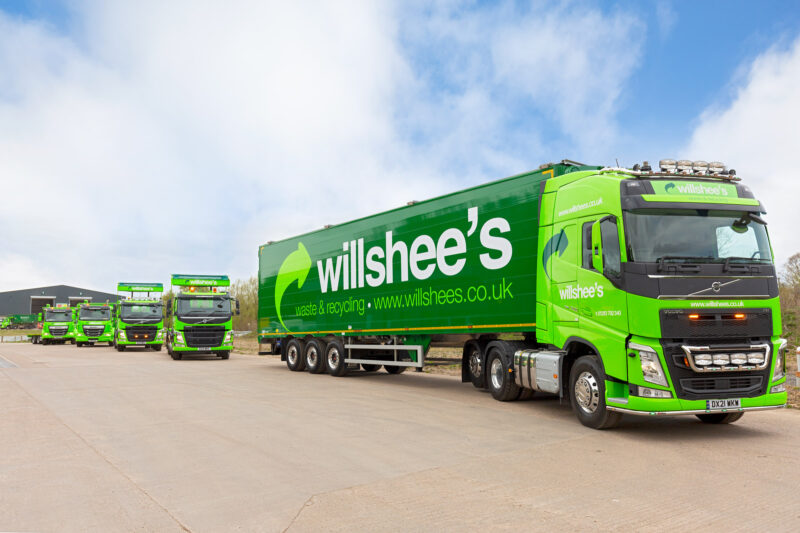
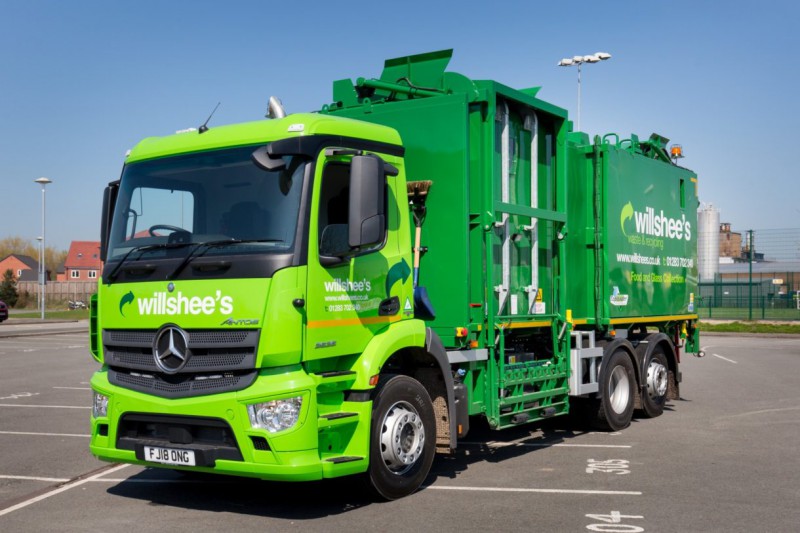
At Willshee’s, we provide reliable commercial food waste collection and recycling services. Our experienced team collects waste directly from business premises and ensures it is processed responsibly at licensed anaerobic digestion facilities.
Contact us today to enquire about our segregated waste services.
1 UK Food Waste & Food Surplus – Key Facts | WRAP – The Waste and Resources Action Programme
2 https://www.fdf.org.uk/fdf/our-work/our-campaigns/ambition-2030/pillar-4-food-waste/






Social