You’d be forgiven for thinking that being ‘zero waste’ and sending ‘zero waste to landfill’ is the same thing. But you’d actually be mistaken. Although they both sound very similar, with the same terminology used, they’re actually two different initiatives. In this article, we’re going to be going through what ‘zero waste’ and ‘zero waste to landfill’ actually mean and why it’s important that you’re using the right terminology to advertise your efforts to reduce your carbon footprint and help the planet. So, let’s dive into what ‘zero waste to landfill’ actually means, and what it doesn’t.
What does ‘zero waste’ mean?
‘Zero waste’ refers to a movement whereby people will do their utmost to produce no waste at all. It’s often a lifestyle that’s adopted by the general public. This is because it can be difficult for businesses to ensure ‘zero waste’ absolutely.
It’s designed to systematically avoid and eliminate pollution and waste products, which contribute to climate change. According to Eco Cycle, the ‘zero waste’ initiative is about more than just recycling; it “addresses the entire social system of how we make, consume and dispose of our ‘stuff’”.
In doing so, “we can directly and positively impact the biggest global challenges of our time – climate change, human health risks, ecosystem collapse and social/political conflicts over access to resources”. The same source also claims that a ‘zero waste’ system has to have the following things in order to function as designed:
- New community-wide policies that ensure the responsible use of fewer natural resources
- New programmes in every sector of society to shift our focus towards a sense of responsibility for the planet and its future
- New manufacturing processes and smarter design, where manufacturers are held responsible for the entire lifecycle of their products and materials needed to carry out a service
- Resource-recovery infrastructure that replaces incinerators and landfills
- An empowered and educated community that will ensure ‘zero waste’ progress for generations to come, which can be made possible with education in schools, colleges and universities
What is the difference between ‘zero waste’ & ‘zero waste to landfill’?
The first thing to highlight here is that ‘zero waste’ and ‘zero waste to landfill’ are not the same thing. This is often where the confusion lies. To avoid greenwashing, you need to be aware of what the main differences are. This is especially important if you’re a business advertising your ‘zero waste’ initiatives.
‘Zero waste’ is a philosophy. It’s a lifestyle rather than an immediate goal. When used by companies, it refers to the long-term ambition to completely eliminate waste from business activities, eventually. But the reality is that this ethos is a long way from coming to fruition for companies and businesses alike.
This is often where the confusion is born. It’s common to confuse being ‘zero waste’ with sending zero waste to landfill. They’re two very different things. Being zero waste, as already touched upon, involves generating zero waste, whether it’s recyclable or not. Waste of any kind cannot be generated under a zero-waste lifestyle.
‘Zero waste to landfill’ refers to diverting waste away from landfill and to other facilities for it to be handled. It does not refer to the generation of zero waste. This goal is more achievable for businesses and companies than being ‘zero waste’, simply.
This is where organisations have to be careful with the terminology they use to advertise their efforts. If you’re diverting as much waste as possible away from landfill, then you’ve adopted a ‘zero waste to landfill’ initiative, and not a ‘zero waste’ initiative.
Why is ‘zero waste to landfill’ important?
There are differences between ‘zero waste’ and ‘zero waste to landfill’. But there are still some very clear advantages of adopting the ‘zero waste to landfill’ initiative. While it’s usually adopted by businesses, nothing is stopping the general public from trying to achieve the same in their own homes. But why should we be making the effort to adhere to the ‘zero waste to landfill’ initiative? Here are some of the advantages to be had:
- Cost – using materials more efficiently and thoughtfully can save you money. You won’t have to buy certain items as frequently if you reuse and mend items in your possession, whether you’re a business owner or a homeowner
- Compliance – legal bodies, including the government, will outline rules and regulations that need to be followed in order to protect the environment. Failure to comply will result in hefty fines and possible prison sentences. By making the effort to follow the ‘zero waste to landfill’ initiative, you’re ensuring compliance in these instances
- Marketing – according to Astutis, customers are more likely to choose a business if they’re eco-friendly over ones that don’t take the environment seriously. By adopting the ‘zero waste to landfill’ initiative, you’re helping to boost your leads and sales as you’re showing the general public your dedication to saving the planet
- Environment – landfill sites have a detrimental effect on the environment. So by simply keeping waste materials out of landfill, you’re helping to reduce your carbon footprint and help the planet
Choose Willshee’s for waste management services
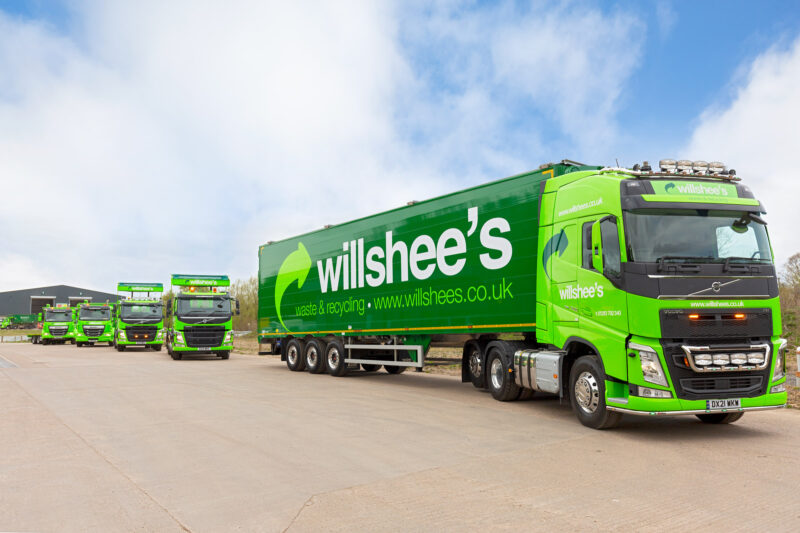
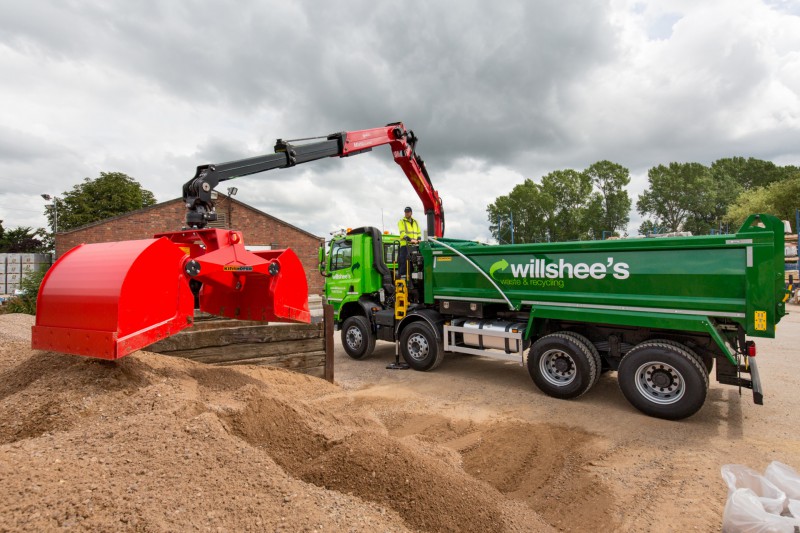
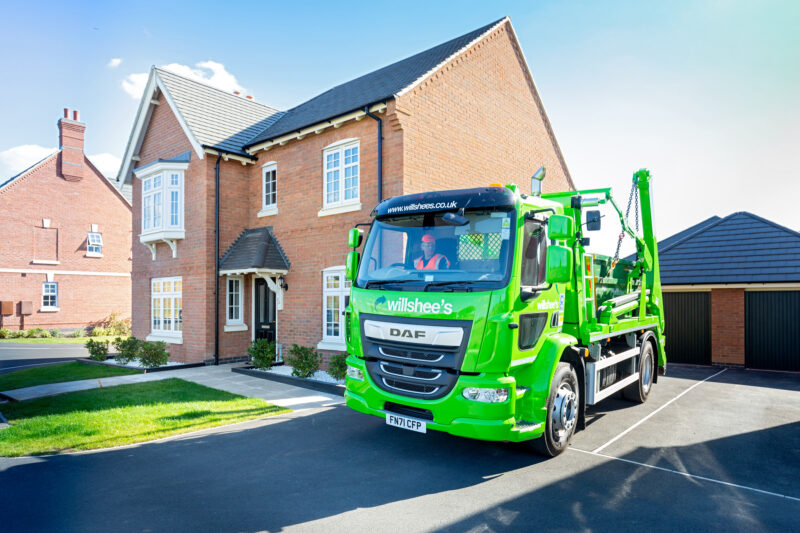
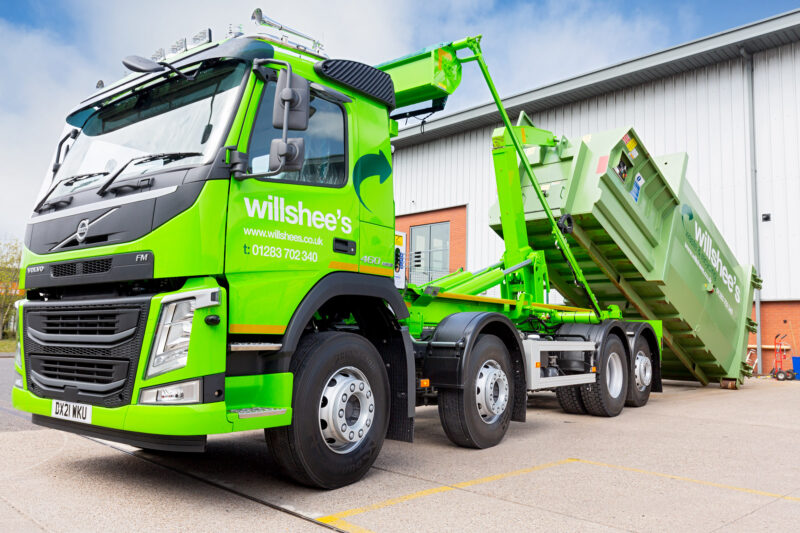
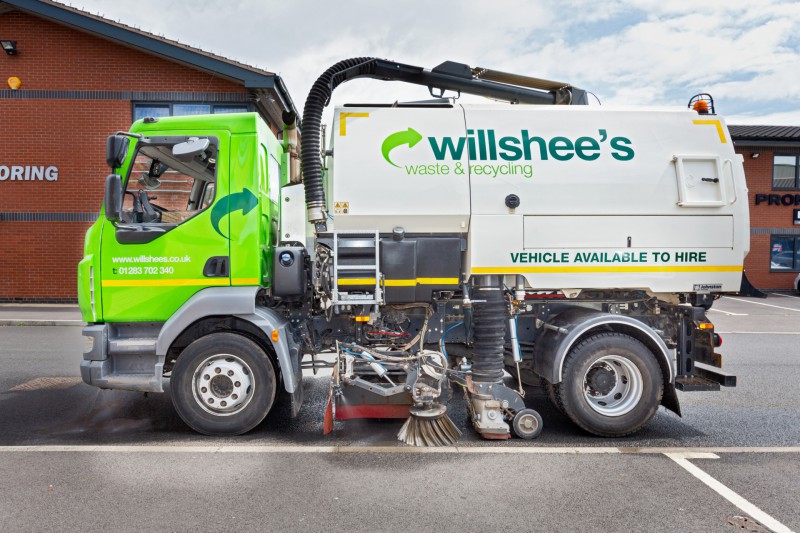
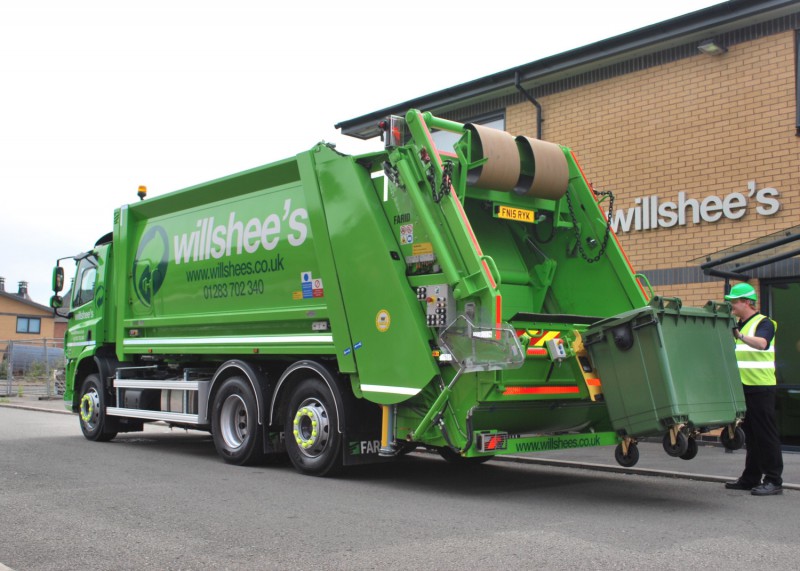
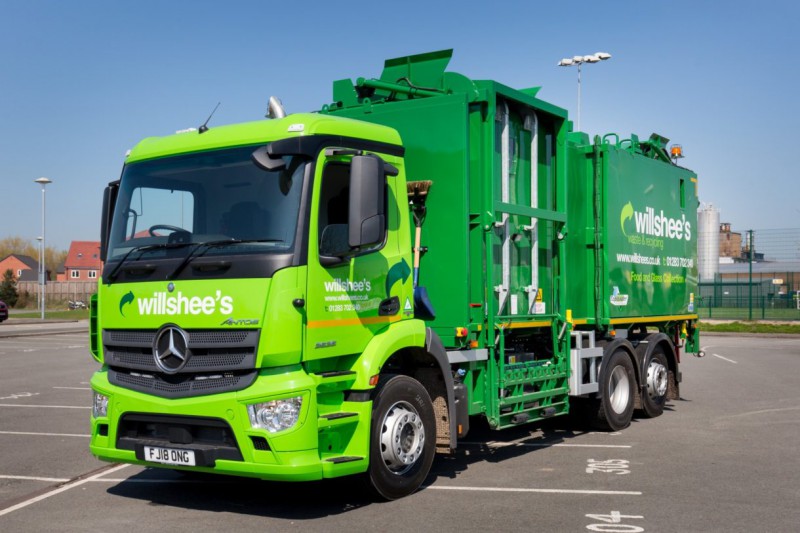
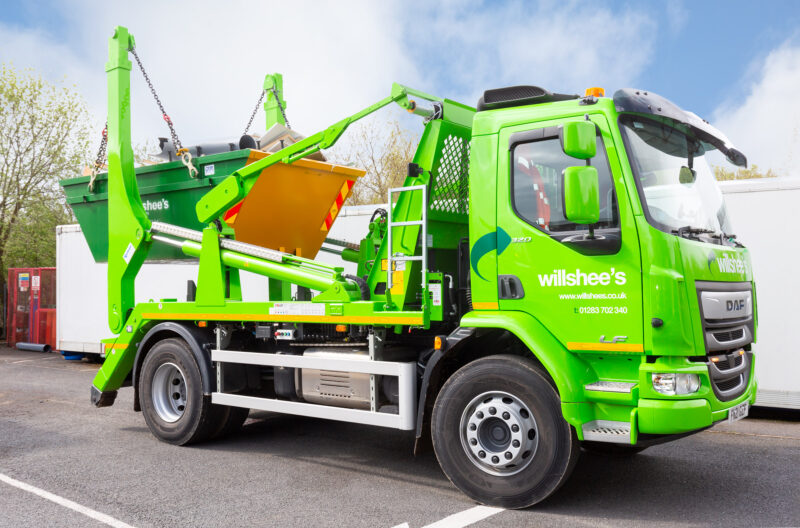
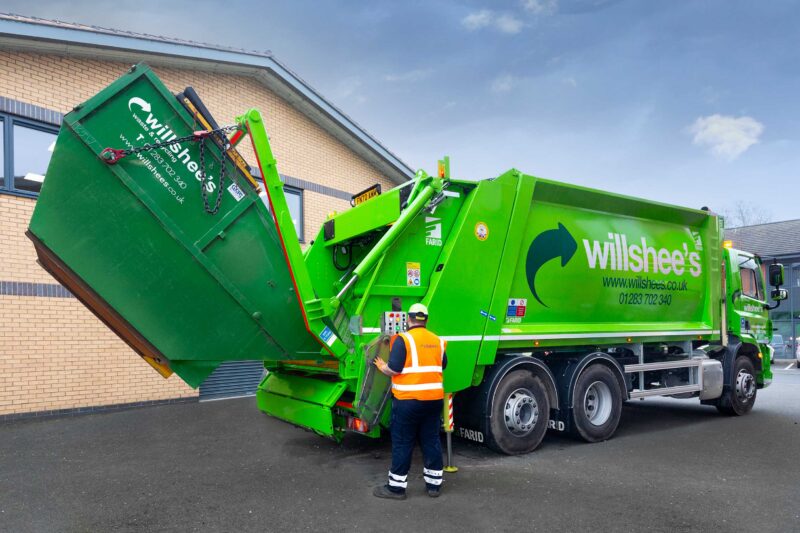
Willshee’s is proud to provide a wide range of domestic and commercial waste management solutions, from skip hire, grab hire and construction waste removal to hazardous waste disposal and everything in between. We can always be counted upon to handle a wide range of waste types responsibly and in line with regulations. We aim to recycle 100% of the waste we collect, minimising the amount of waste we send to landfill sites. For waste management services you can trust, look no further than Willshee’s.
C
C
If you would like further information about one of our many waste removal services near you, then get in touch with a member of our friendly, knowledgeable team today – we’re always pleased to hear from you.








Social