
Though effective waste management is a continuous responsibility, different seasons throughout the year can significantly impact this activity. With summer in full swing, we can see new waste streams emerging and existing ones shifting. But what kind of waste streams may increase or fluctuate in the Summer? And how can businesses prepare for this?
With longer days and rising temperatures, businesses and people alike adjust their routines, leading to distinct changes in their waste output. Recognising these seasonal shifts is the first step towards optimising your waste management strategy and ensuring both environmental responsibility and operational efficiency.
Growing food waste
Throughout the summer months, food waste is at one of the highest levels of the year. Specifically, data suggests that food waste can increase by up to 30%[1] throughout the summer months compared to January, February and March. This is a significant trend that impacts businesses across various sectors, from hospitality to retail and even offices.
The increase can be attributed to a variety of factors. For businesses, particularly those in the food service industry (restaurants, cafes, catering companies), the combination of increased demand for fresh produce, outdoor events, and fluctuating customer numbers can lead to over-preparation and larger quantities of perishable ingredients going to waste. Supermarkets and grocery stores also face challenges with the faster spoilage of fresh produce due to higher ambient temperatures, even within their premises. Additionally, promotional sales of perishable items might lead to customers purchasing more than they can consume before expiration.
For individuals, warmer weather often means more barbecues, picnics, and outdoor entertaining. This leads to increased purchases of fresh fruits, vegetables, and other perishables, which, if not consumed promptly, can spoil quickly in warmer home environments. Impulsive purchasing of seasonal treats and larger portions at gatherings further contributes to household food waste.
Beyond spoilage, changing consumer habits also contribute. More people dining out or ordering in means more single-use packaging and uneaten portions from takeaways. For businesses, larger events and festivals during the summer also generate substantial amounts of leftover food and associated packaging.
A green waste boom
The summer months also tend to see a high rate of green and garden waste needing to be collected. This is a direct result of increased outdoor activity, both commercially and residentially. For businesses with landscaped grounds, parks, or outdoor dining areas, regular maintenance during the growing season generates significant volumes of grass clippings, pruned branches, weeds, and fallen leaves. Landscapers and gardening services are also in high demand, leading to a surge in green waste from their commercial operations.
People are typically more active in their gardens during summer, leading to an abundance of plant debris. Many use this time for larger garden projects, generating even more organic waste. While much of this can be composted at home, a significant portion still enters the general waste stream if not properly managed, increasing collection costs and landfill burden.
Solutions for a more sustainable summer
Effectively managing these increased summer waste streams requires proactive strategies. For food waste, a multi-factor approach is essential. Businesses should focus on:
- Inventory management: Using data to forecast demand more accurately and avoid over-ordering.
- Donations: Establishing partnerships with local food banks or charities to donate edible surplus food.
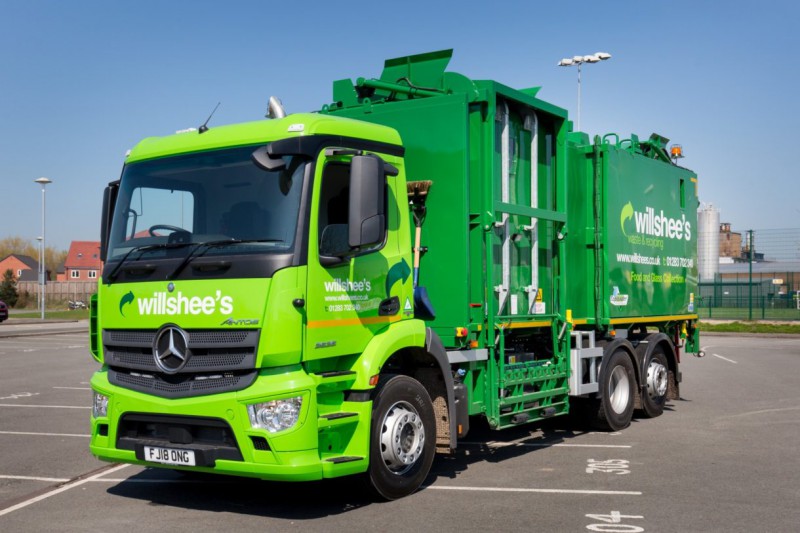
- Anaerobic digestion: Implementing dedicated food waste collection services to divert organic waste from landfill, turning it into valuable resources like biogas. This not only reduces waste but can also lower disposal costs.
- Staff training: Educating employees on proper portion control, storage techniques, and waste segregation.
For garden waste, the key is diversion from landfill:
- Dedicated green waste collections: Ensuring businesses and residents have access to timely and effective green waste collection services.
- On-site composting: Businesses with suitable space should consider on-site composting for certain types of garden waste.
- Mulching: Promoting the use of mulching mowers for grass clippings, returning nutrients to the soil.
Beyond just these specific waste streams, Willshee’s recommends all businesses should:
- Review waste audits: Conduct regular waste audits to identify peak times and types of waste generated during summer months, allowing for tailored solutions.
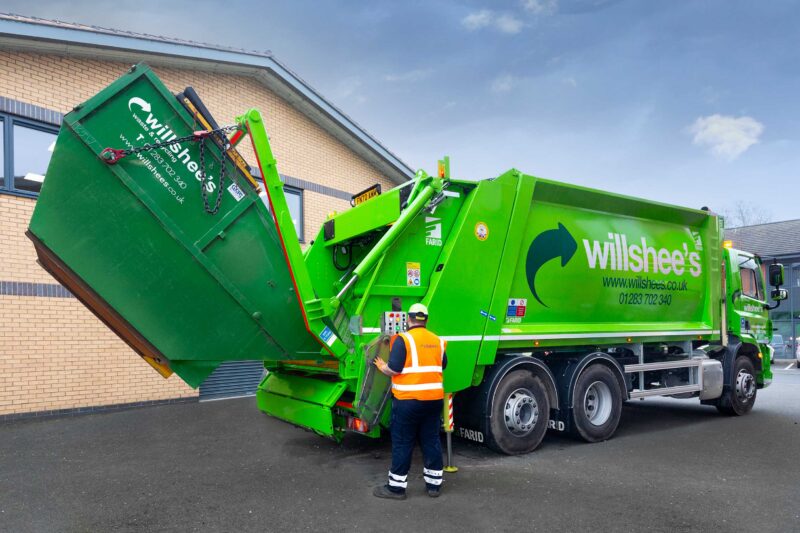
- Optimise bin capacity and collection schedules: Adjusting bin sizes and collection frequencies to accommodate increased volumes, preventing overflowing bins and unsightly waste.
- Embrace recycling: Reinforce efforts to recycle packaging, bottles, and cans that are often consumed in higher volumes during summer events.
- Engage employees and customers: Promote awareness among staff and customers about proper waste segregation and the importance of reducing waste.
By understanding the challenges presented by fluctuating summer waste streams, businesses can partner with waste management experts like Willshee’s to implement efficient, sustainable, and cost-effective solutions. Let’s work together to ensure a cleaner, greener summer for all.
For more on how Willshee’s can help your business with seasonal waste management, give us a call on 01283 702340 or send us a message at sales@willshees.co.uk.
[1] https://plantbasednews.org/lifestyle/food/food-waste-summer/#:~:text=Another%20contributing%20factor%20is%20that,relationships%20with%20food%20donation%20programs.














Social