
Christmas is a jolly, fun-filled festive period in our calendar that everyone anticipates. But it is also one of the most wasteful times of the year. We generate 30% more waste at Christmas than at any other time, and it’s easy to see how. Business Waste claims that of 1,100 households surveyed, 99% of them said that they would be putting their Christmas cracker gifts in the bin at the end of the day, rather than recycling them.
Additionally, 81% of those asked said that they would be throwing their plastic tablecloth in the bin at the end of the season. But it doesn’t stop there. It’s even projected, states the same source, that 41% of toys bought as Christmas gifts will end up being broken and subsequently discarded in landfill sites by spring next year. So what should we be doing about it all?
The answer lies in both trying to minimise the amount we spend and the volume we buy. We should also aim to recycle as much as possible to avoid sending rubbish to landfill. In this article, we’ll be taking you through why recycling at Christmas is imperative, along with how you can do it properly to reduce your carbon footprint during one of the most wasteful times of the year.
Why is it important to recycle waste at Christmas?
According to Business Waste, the amount of waste we generate goes up by 30% at Christmas time. This is usually down to overspending and buying more than we need. The same source claims that 66% of people, when asked, admitted to spending too much on things they didn’t really need over the festive period, referring specifically to the food they purchase.
But it doesn’t end there. Business Waste states that, when asked, 14% of people said that they would discard their artificial Christmas tree. Fake trees are made up of plastic alone. Despite this, consumers would still rather dump it than reuse it the following year. In turn, this leads to around 160,000 trees being dumped in landfill every year, claims the same source. These worrying numbers means that it’s never been more important to recycle our Christmas trees.
The same thing goes for every element of Christmas, even glass waste. According to Business Waste, 13,350 tonnes of glass is discarded in landfill sites, including wine and beer bottles. Not only does this increase our carbon footprint, but it costs the British public a fortune.
It is claimed by Business Waste that each household in Britain will spend around £185 on Christmas decorations. In addition, the Royal Mail delivers around 150 million Christmas cards annually. When combined, it costs the British taxpayer around £26 million to dispose of it all when the season is over. This is yet another reason why we need to recycle at Christmas, but how?
C
How to recycle Christmas waste effectively
Given the aforementioned statistics, it’s clear that it’s never been more paramount to recycle our Christmas waste. But don’t just make it a 2024 thing. Take the tips we’re giving you and take them with you into the future. This will allow you to show dedication to recycling year-on-year, whether it’s Christmas or summer. So, how can you effectively recycle Christmas waste? Let’s take a closer look:
Recycling Christmas food waste: what should I do?
Food waste can be recycled at kerbside, depending on the council. While this is the best option for those looking to get rid of food waste sustainably, you can also place food waste on a compost heap. The Christmas food waste items that can be placed on a compost heap at home are as follows:
- Egg shells
- Fruit and vegetables (including seeds, peelings and scraps)
- Tea bags
- Coffee grounds
- Grains, pasta and bread (provided they’re uncontaminated)
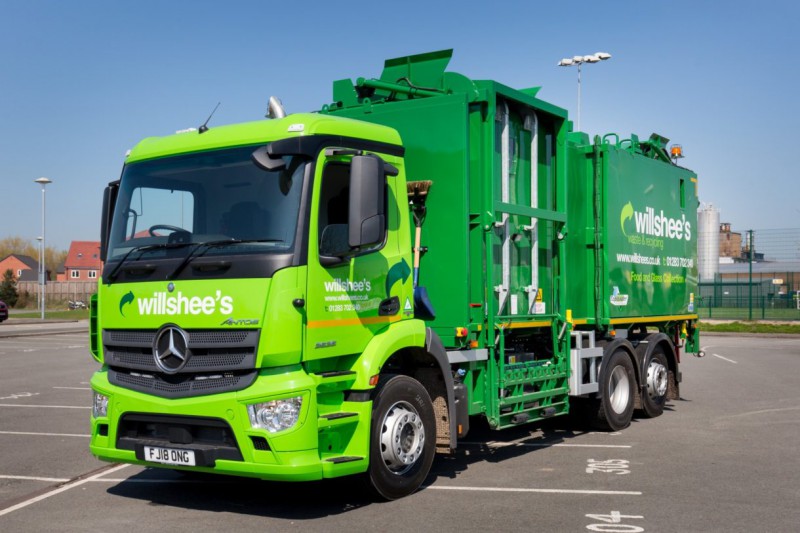
However, there are foods that cannot be composted under any circumstances. Foods that cannot be placed on the compost heap include: meat, dairy, oils, fats, cooked foods. This is because those items can attract pests. In addition, they won’t produce fertile compost for your plants, either. Instead, it could hinder your flowers rather than help them to grow. Willshee’s is pleased to offer a food waste recycling service if you don’t have a compost bin. Choose Willshee’s instead of putting food waste in the bin.
Recycling Christmas packaging: what should I do?
Christmas packaging can refer to almost anything. From the packaging your food comes in, to what your children’s new toys are housed in. If you’re unsure about whether packaging can be recycled, look at the back of the item.
Is there a box on the back that tells you what can be recycled and what can’t be? In some cases, the packaging will tell you whether it can be recycled at the kerbside. It will also specific if it has to be disposed of in another way. For example, some plastic bags need to be taken to plastic bag recycling points at the supermarket as they cannot be recycled at home.
Pay close attention to the instructions on the packaging itself. If you’re unsure, research the material online and see what your Local Authority says. The rules can differ from county-to-county and from city-to-city.
Recycling Christmas wrapping paper: what should I do?
Wrapping paper can be placed in your paper recycling bin at the kerbside. Although it must be made out of paper. When recycling Christmas wrapping paper, there is a rule to follow; if you scrunch it up in your hand and it remains a ball shape, then it can be recycled. If, however, you scrunch it up into a ball and it unravels, then it cannot be recycled.
If you really don’t want to place it in your general bin, you can reuse it it. Carefully remove the tape from the edges, or cut it off, fold up the paper and store it for next year. When it comes to buying your wrapping paper, keep this in mind. Check that the paper can be recycled. Also, steer clear of anything with glitter or foil on it for good measure. Glitter wrapping paper cannot be recycled, nor can wrapping paper with a shiny finish.
Recycling Christmas decorations: what should I do?
If they’re in good condition, you can give them away to a charity shop or another organisation. You could also see if any friends or family would like them. However, if they’re broken or aren’t in a safe condition, then the best thing to do is to consider the material they’re made out of.
If they’re plastic, they’ll end up in landfill as it’s difficult to recycle. Although, if they’re made from wood or metal, then they can be recycled by placing them in the dedicated sections at your local tip. Separate them out in accordance with the material they’re made from.
Recycling Christmas cards: what should I do?
Christmas cards are often classed as cardboard or paper waste. These can be easily recycled using your kerbside bins. However, if the card contains any plastic, glitter or other materials, then you need to remove those elements first. A creative way of recycling Christmas cards it to cut the front of them off and use those next year to make your own Christmas cards.
Pass your handmade card onto a loved one or friend. This way, you’re recycling your cards even if the fronts cannot be recycled. If you really want to cut your carbon footprint this Christmas, send them an E-card instead, to return the sentiment.
Recycling Christmas trees: what should I do?
This largely depends on the type of Christmas tree you like to erect during the festive season.
Artificial Christmas trees
If you’ve opted for an artificial tree and are looking for a new one, don’t send it to landfill. Instead, if it’s in good condition, donate it to a charity shop so that it can be loved and used again. You could even see if any other organisations will take it off your hands for you.
Real Christmas trees
Alternatively, real Christmas trees are easier to recycle. The most sustainable thing you can do is replant it in your back garden. We appreciate, however, that this isn’t always the most convenient option. Also, it might not even be possible for some if they live in a flat or rented home, for example. With this in mind, cut off its branches and put it in the garden waste bin for kerbside collection.
They will use the garden waste in the local community, fertilising other plant life, for instance. Another thing you can do is take it to your local tip and put it in the green waste section. Either way, don’t throw your real Christmas into the general bin. It will simply end up in landfill and won’t be recycled.
Recycling Christmas glass waste: what should I do?
Glass waste is something that can be easily recycled by placing it in your kerbside recycling bin. Usually, councils and Local Authorities will provide homeowners with dedicated glass recycling bins for absolute convenience. However, if you cannot recycle glass at home, for whatever reason, there are plenty of bottle banks dotted around the country that you will be able to use. Most of them are placed outside supermarkets, so you can kill two birds with one stone – do your Christmas food shop and recycle your glass during the same trip.
Alternatively, you’ll be able to recycle glass jars, especially if they still have their lids, by doing some DIY projects. Christmas is the perfect time of year to make your own presents, whether you make your own candles and toiletries or stuff your leftover glass jars with treats and tie a bow around the top, they can make great authentic and artisan-type Christmas presents for your loved ones during the festive season. If that’s not your thing, then look to us here at Willshee’s – we are proud to offer a glass recycling service.
How to recycle unwanted Christmas lights
Christmas lights are electrical, and so they fall under the WEEE waste category. This means that they cannot be placed, under any circumstances, in the general bin to be sent to landfill. Instead, they need to be taken to your local tip and disposed of in the right section. Ask a council worker for help if you aren’t sure where it goes. Alternatively, if the lights are in a safe working condition, then you can donate them to a charity shop or a friend or family member so that they can continue their life through the festivities and many Christmases to come.
C
C
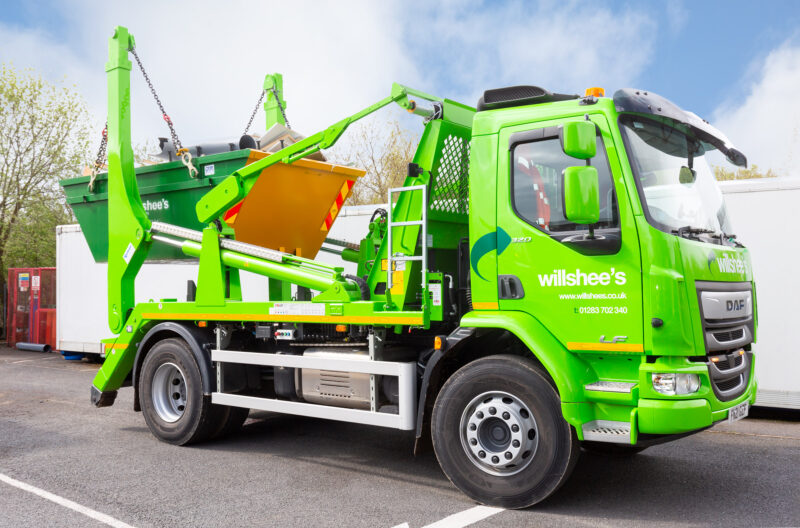
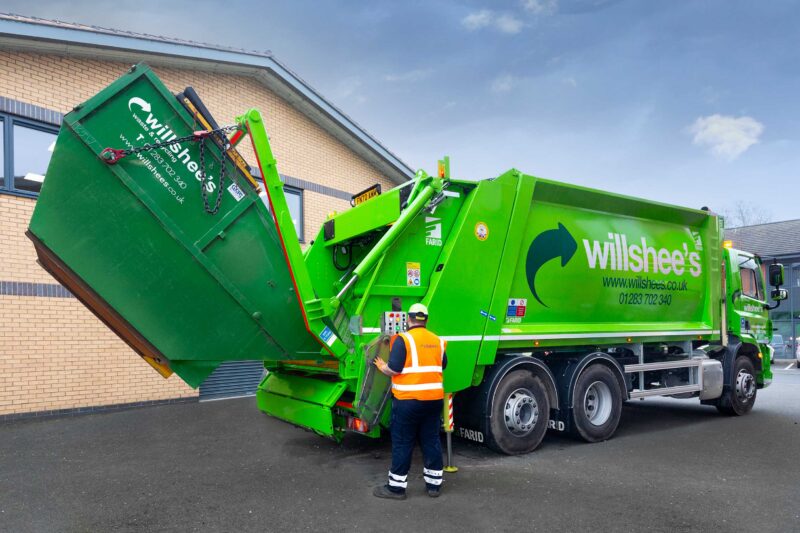
Willshee’s is pleased to offer waste management services to both domestic and commercial customers throughout the East Midlands. Whether you’re in need of skip hire, hazardous waste removal, commercial waste management and more, you can rest assured that we will be on hand to help. We aim to recycle 100% of the waste we collect, so you’ll have peace of mind knowing that we’re doing our utmost to lower your carbon footprint as well as our own. For further information about our domestic and commercial waste management services today, get in touch with a member of our friendly, knowledgeable team – we’re always happy to hear from you.










Social