According to Waste Managed, around 9.5 million tonnes of food is wasted every single year. This includes food that’s wasted at every stage of the process, from the production and processing through to distribution, the supermarket and domestic use.
The same source also claims that there are some foods that are wasted far more than others, and those are the items that we need to be cutting down on when it comes to wasting food and cutting the amount of food waste we generate overall.
The top five foods that are wasted more than any other, claims the same source, are as follows: bread, potatoes, milk, bananas and vegetables, including salads. With this in mind, and with so much food waste being generated annually, what can you do to make use of the leftover food items you have in your kitchen? Here are five tips for responsible food waste disposal at home:
1. Throw it on your at-home compost heap
Having a compost heap at home comes with many benefits. According to Addison County, there are many advantages to having a compost heap located at home. The top five benefits include: having compost constantly at your disposal that’s nutritious for your plants and flowers, it has the ability to renew the quality of your original soil, it promotes a prolific soil ecosystem and, lastly, it reduces your carbon footprint.
Having a compost heap at home will allow you to dispose of a wide range of food types and products in a way that is eco-friendly and sustainable, without throwing it in landfill. You’d be surprised at what can be put on a compost heap. There’s a wide range of food waste that can be used in this way, but what, exactly, can you put on an at-home compost heap, food or otherwise? Here’s a list of everything you can put on your compost heap at home:
- Fruit
- Vegetables
- Tea leaves
- Coffee grounds
- Egg shells
- Grass clippings
- Plant cuttings
- Weeds
- Flower cuttings
- Dry leaves
- Woody prunings
- Sawdust
- Straw
- Paper
- Cardboard
However, there are some items that simply cannot be composted, whether it’s food or another waste type. Some of the things that you should not put on an at-home compost heap are as follows: diseased plants, pet droppings, cooking fat, glossy paper, weeds containing seeds, treated timbers and wood, large branches, meat, bones, whole eggs and dairy products.
2. Get creative with your leftover dishes
When it comes to leftover food, the solution to reducing food waste is simply – use them up. Either have last night’s dinner leftovers for lunch or look at everything you have that needs to be used and Google recipes that contain as many of those things as possible. Reputable websites and sources have a list of recipes available that are perfect for using up leftover items.
From banana breads through to stews and casseroles, there will be a way in which you can use up leftover food. BBC’s Good Food website has a list of leftover recipes that you can whip up in no time. Even if you have a loaf of stale bread lying around, you can make a delicious bread and butter pudding that the whole family will love. Do some research and do your best not to throw anything out, unless, of course, it has expired.
3. Donate the waste to be used as animal feed
This is a highly-effective way of getting rid of your leftover food, more so if you live near a farm or near someone who keeps pigs, for instance. This is a very important part of using up leftover food, with the Environmental Protection Agency presenting feeding animals with leftover food as tier three in their Food Recovery Hierarchy.
According to the third tier of the Food Recovery Hierarchy, otherwise known as ‘Reduced Waste Food by Feeding Animals’, giving animals waste food and leftovers is a process that has been going on for centuries.
Not only can it save the farmer money, but it can also reduce your carbon footprint if you choose this option over sending leftover food to landfill. If you’re looking to give your waste food to farms across the country, there are a number of companies on hand who will be able to do it for you, such as UK Harvest. Donate food waste to be used as animal feed rather than throw it in the bin.
4. Have a responsible waste carrier collect it for you
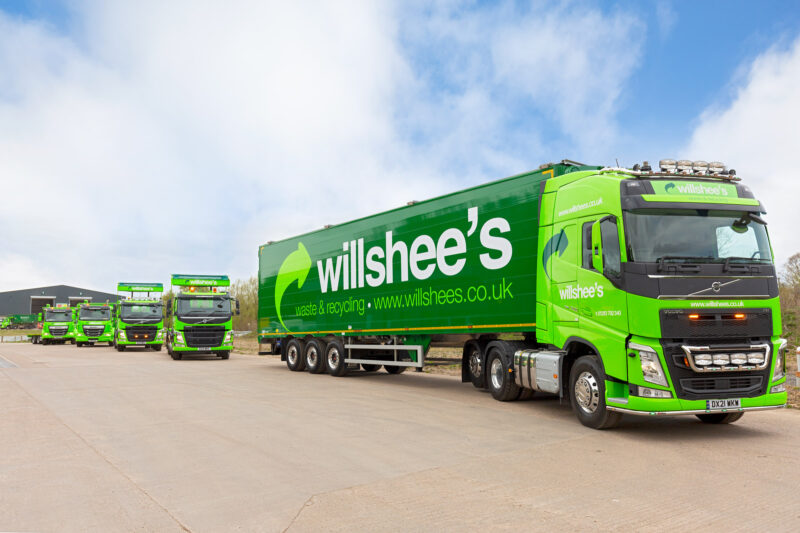
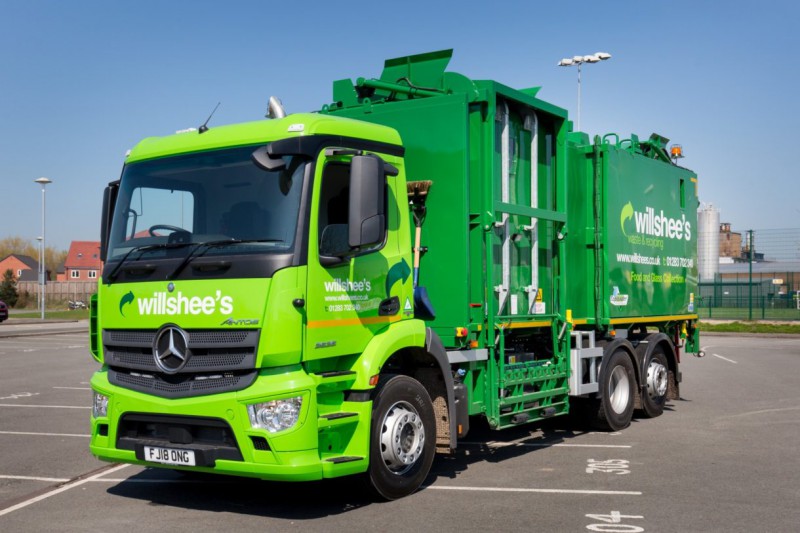
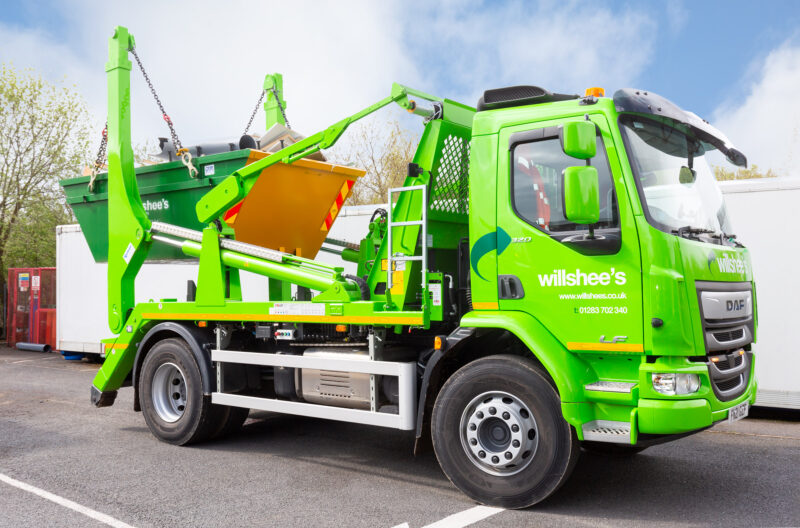
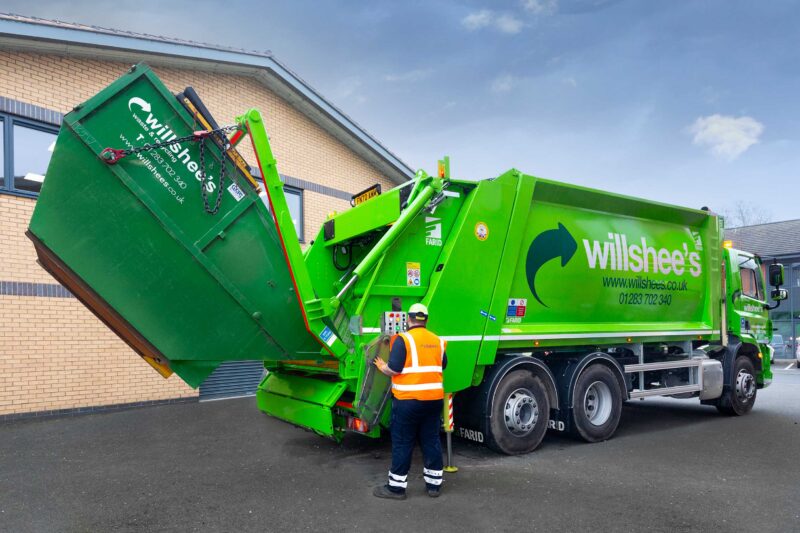
While this is more appropriate for those looking to get rid of food waste in a commercial capacity, it’s still an option should you have a copious amount of leftover food that needs to be disposed of, for whatever reason. Willshee’s is able to collect food waste for you. We will collect it from your property and then bring it to a local anaerobic digestion plant. Here, the food waste will be processed and turned into compost on a commercial scale.
The gases emitted through the process of composting will be used to power a generator. The electricity produced by the generator will then be provided, as green energy, to the nation grid. By allowing us to collect your food waste, you’re not only reducing your own carbon footprint, but you’re reducing ours, and others within the community who are using that green energy from the National Grid. This is yet another way of responsibly disposing of leftover food waste.
5. Enquire at food banks about leftover food
While you won’t be able to give cooked foods and leftovers to food banks, it might be that you have a tin of chilli con carne in the back of the cupboard that’s still in-date but that you aren’t going to use. Maybe you bought one too many loaves of bread and you have no room in your freezer to store it. Leftover food doesn’t just refer to meals that have been cooked and not eaten, it can also refer to items in your fridge or cupboards that are still safe to eat but that you won’t use.
If this is the case, then ask at your local food bank about the items they will accept. From a tin of baked beans to UHT milk, a food bank will always be grateful for your contribution. If you’re not sure about what you can and can’t donate to a food bank, don’t worry. We have a list of items below that are acceptable for donation. The items need to be unopened and should not have been tampered with, according to The Trussell Trust:
- UHT milk
- Tinned meat, including things like hotdogs and meatballs
- Tinned fish
- Sponge puddings
- Rice pudding
- Granulated coffee
- Long-life juice
- Pasta sauces
- Tinned vegetables, including potatoes, carrots, tomatoes and green beans
- Tinned meals, such as spaghetti, chicken, curry and chilli con carne
- Tinned soup
- Jams, marmalades and preserves
- Spreads, such as chocolate spread and biscuit spread
Items that you CANNOT give to a food bank
In addition to edible items, food banks are also open to donations of inedible items, including: shower gel, shampoo, conditioner, deodorant, toilet rolls, washing up liquid and laundry detergent pods. However, just as there are items that can be donated to a food bank, there are things that can’t. The items that cannot be given to a food bank are as follows, claims Safe Store:
- Anything containing alcohol
- Baby formula
- Anything without a best before or use by date on it
- Anything homemade
- Anything that does not have ingredients listed
- Items that are open
- Items that are used
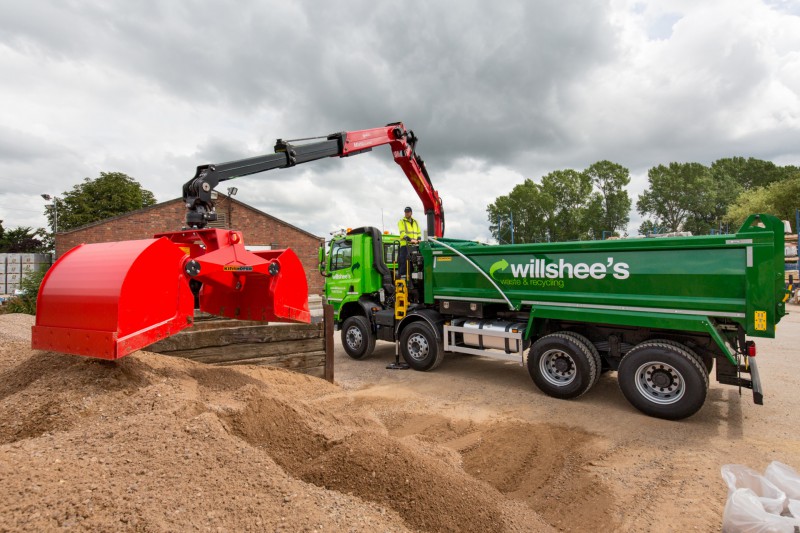
Willshee’s is pleased to provide sterling waste management services to customers throughout Burton-upon-Trent and beyond. From domestic skip hire and commercial skip hire to hazardous waste disposal and construction waste management, there’s no project too big or small for our team of experts. If you would like further information about the waste management solutions we’re able to offer, or to learn more about our process when it comes to processing food waste, get in touch with a member of our friendly, professional team today – we’re always pleased to hear from you.









Social